
"rarest coffee"
600 article(s) found

Ethiopian coffee trees originated in Ethiopia
The Ethiopian coffee tree originated in Ethiopia (Ethiopia). It was originally a wild plant here, and the name coffee comes from the Ethiopian town of Kaffa. Humans may have known how to grow coffee trees as early as the 9th century. Coffee producing area in Ethiopia: many coffee trees in Ethiopia are still wild plants, the coffee that grows on this coffee tree.

The aroma of jasmine in Sudan Rume Cloud Manor WBC Champion sasa Origin Plan
Boutique coffee (specialty coffee) is also called specialty coffee selection coffee. It refers to coffee made from a small number of raw beans with excellent taste grown in an ideal geographical environment. Depending on the special soil and climatic conditions in which they grow, they have outstanding flavor. After strict selection and classification, this kind of coffee is hard in texture, rich in taste and stylish.

Introduction to the Grinding scale of Yemeni Coffee Bean production area
Yemeni coffee bean flavor characteristics taste regional grinding scale introduction Moha is a small seaport on the red sea in the south of Yemen. for hundreds of years, most of the famous Yemeni coffee has been exported to countries around the world, so Yemeni coffee is gradually named after Moha. For many years, Yemeni Moha coffee has been regarded as the best coffee in the world, and its excellent quality has always been praised by the world.

Description of Flavor of washed Coffee beans in Yejia Coffee Cochel Manor introduction to Grinding scale of varieties
Description of the Flavor of washed Coffee beans in Yega Coffee Cochel Manor Variety Grinding scale introduces that the main producing areas of Ethiopian coffee are Harald in the east, Djimmah in the southwest and Sidamo in the south. The unique fragrance of Yirgacheffe comes from a city called Y in the northwest of Sidamo province.

Introduction and characteristics of Ethiopian Coffee beans Yega Snow Coffee Manor
Various forms of coffee cultivation can be found in Ethiopia: everything from wild coffee forests and semi-developed land to traditionally operated plots to modern plantations. About 50% of the coffee is grown more than 1500 meters above sea level. Harrar coffee is the highest growing area of all coffee in Ethiopia. Hara coffee can be divided into long coffee.
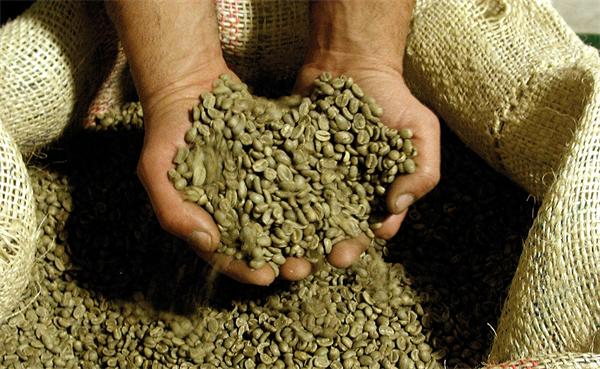
Ethiopia Ethiopia Yega Snow Coffee Sun-baked Arabica Bean Fine Coffee
Ethiopia Yeka Coffee Country: Ethiopia Grade: G1 Origin: Yeka Coffee Altitude: 1900-2100 m Treatment: Sun-cured Variety: Native Species Producer: Kebel Aricha Flavor: Light Fermented Bouquet, Sweet Orange, Spice, Sweet Honey Today Ethiopia is an important coffee producer with about 12 million people engaged in coffee production.
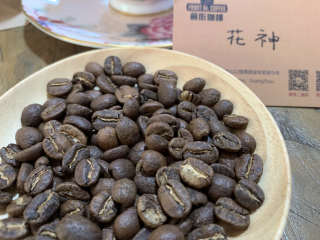
What is the most expensive coffee in the world at present?
Before you try quality coffee, like Hawaii Kona and Jamaica Blue Mountain Coffee, you know there are quality beans and cheap ones, and you will find the difference between grocery stores. We use Hawaiian Kona Coffee as our daily coffee, although it costs more than we paid in the past.

Characteristics of Ethiopian coffee beans Cultural boutique coffee of Ethiopian coffee beans
Various forms of coffee cultivation can be found in Ethiopia: everything from wild coffee forests and semi-developed land to traditionally operated plots to modern plantations. About 50% of the coffee is grown more than 1500 meters above sea level. Harrar coffee is the highest growing area of all coffee in Ethiopia. Hara coffee can be divided into long coffee.
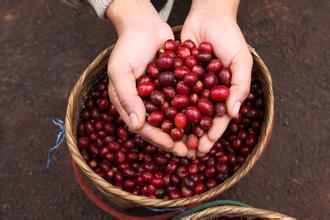
Characteristics of Ethiopian coffee beans introduction of Ethiopian coffee beans fine coffee
Various forms of coffee cultivation can be found in Ethiopia: everything from wild coffee forests and semi-developed land to traditionally operated plots to modern plantations. About 50% of the coffee is grown more than 1500 meters above sea level. Harrar coffee is the highest growing area of all coffee in Ethiopia. Hara coffee can be divided into long coffee.

Characteristics of Ethiopian coffee beans introduction of Ethiopian coffee beans fine coffee
Various forms of coffee cultivation can be found in Ethiopia: everything from wild coffee forests and semi-developed land to traditionally operated plots to modern plantations. About 50% of the coffee is grown more than 1500 meters above sea level. Harrar coffee is the highest growing area of all coffee in Ethiopia. Hara coffee can be divided into long coffee.

How to play coffee foam skills video how to play dense
The choice of the milk tank is mainly the capacity and the shape of the cup mouth, which determines your use and the amount of coffee cup you produce, while the shape of the cup mouth determines whether you need to pull flowers or make a traditional cappuccino. Choosing a milk jar that is easy to use can not only improve the quality of the foam and the appearance of the coffee.

Full-bodied Ethiopian Yega Sheffield Coffee Flavor Taste Manor Description
The main coffee producing areas in Ethiopia are Harar in the east, Djimmah in the southwest and Sidamo in the south. Yirgacheffe, which has a unique aroma, comes from a small town called Yirga in the northwest of Sidamo province. Yirgacheffe among coffee connoisseurs worldwide

Introduction to the characteristics and flavor of Yega Chefe Coffee
Most of the refining methods of Yirgacheffe are water washing (washed), which is fermented and shelled in the washing tank for about 72 hours and dried directly outside the plant. After the raw beans are manually selected and qualified by the Ethiopian Coffee Cocoa Management Agency, they are traded and exported through competitive bidding. Its annual output is about 225000 bags (60kg per bag).

Global coffee production Ethiopia coffee production
The coffee tree originated in Ethiopia, where it was originally a wild plant, and the name coffee comes from the Ethiopian town of Kaffa. Humans probably knew how to cultivate coffee trees as early as the 9th century. Ethiopia's coffee growing area: Ethiopia's many coffee trees are still wild plants, this coffee tree grows coffee particles full
Ethiopia, the birthplace of coffee, is Asia's leading exporter of Arabica coffee beans.
Ethiopia has a variety of coffee cultivation methods: from wild coffee groves and semi-developed plots, to small plots of traditional farming, to modern plantations. About 50 percent of coffee is grown at altitudes of more than 1500 meters. Harrar coffee is the highest coffee grown in Ethiopia. Hara coffee can be divided into long

Yemeni Coffee Flavor Taste Manor Introduction Yemen Fine Coffee Bean Introduction
Yemeni coffee has many varieties, mostly named according to its origin and type, with different flavors, such as fresh wood, tobacco, musk, fruit wine, roasted nuts, cocoa and warm seasonings. Moha coffee is especially so. At present, Yemen moha coffee is most famous in the market, such as Ismaili, Matari, Sanani and other varieties. Sanani coffee beans are medium in size and have fruit wine style.

Yemeni Moha Coffee the latest introduction of Yemeni coffee Yemeni coffee has a unique flavor
Yemeni coffee originated from Arabian coffee trees hundreds of years ago, all of which are produced in areas above 3000 feet above sea level. For hundreds of years, the unique planting and production methods of Yemeni coffee have remained almost unchanged. The seedlings of Yemeni coffee trees are first cultivated in nurseries and then transplanted to high elevations. Pesticides and fertilizers are not used in the breeding process. Mature coffee beans are naturally dried on coffee trees and shelled by stone mill.

Coffee flavors from different coffee producing areas around the world Ethiopia
The coffee tree originated in Ethiopia, which was originally a wild plant here, and the name coffee comes from the Ethiopian town of Kaffa. Humans may have known how to grow coffee trees as early as the 9th century. Coffee producing area in Ethiopia: many coffee trees in Ethiopia are still wild plants, and the coffee grown on this coffee tree is full of grains.
Introduction of Kopi Luwak Manor in Indonesia
Kopi Luwak, also known as civet coffee. The official name of Kopi Luwak is Kopi Luwak. Kopi means coffee in Indonesian and Luwak is a wild civet in Indonesia. The coffee is commonly known as Kopi Luwak because it is made from beans picked from the droppings of civets. Kopi Luwak, produced in Indonesia, grows a lot of coffee crops.

Indonesian Civet Coffee Estate Introduction Indonesian Coffee Flavor Arabica Coffee Estate
Cat poop coffee, also known as civet coffee. The official name of cat poop coffee is Kopi Luwak. Kopi means coffee in Indonesian and Luwak is a wild Indonesian civet. This coffee is called cat poop coffee because it is made from coffee beans picked from civet droppings. Cat poop coffee, Indonesia. Indonesia grows a lot of coffee.